
Our Story
Science of Somatics was born from a question:
How do we bring together the part of us that moves and feels with the part that wants to understand how it all works?
As practitioners and scientists, we’ve both lived that tension between intuition and analysis, sensing and explaining. Over time, we realized they don’t have to be separate. Science and somatic experience can speak to each other, enriching both.
We created Science of Somatics to make that dialogue visible and practical so that you, as a practitioner, can connect what you sense in the body with what science reveals about the brain.
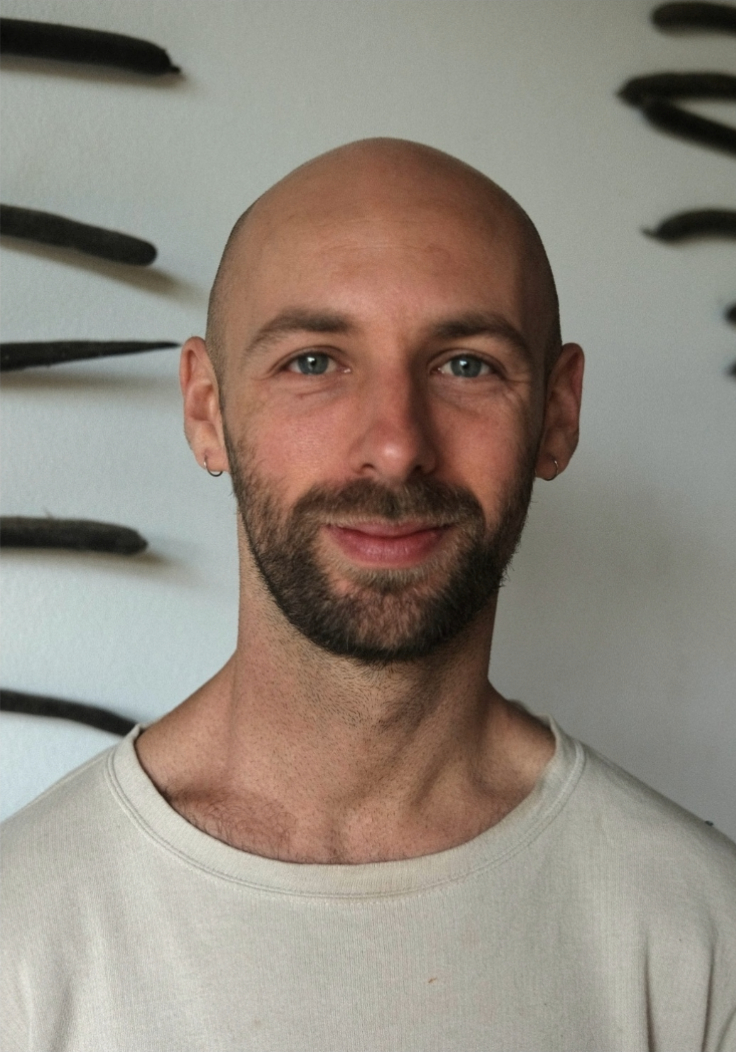
Sebastian Zahler, PhD
Co-Founder
Neuroscientist and somatic educator.
Sebastian’s work explores how the brain organizes movement and the autonomic nervous system. With a background in neuroscience and Contact Improvisation, he brings scientific depth to the experience of being a living, moving body.

Tim Cacciatore, PhD
Co-Founder
Neuroscientist, Movement scientist and Alexander Technique teacher.
Tim’s studies on muscle tone and movement coordination have shaped how somatic practice is understood today. He is an Honorary Fellow (Research), School of Health and Society, University of Salford.
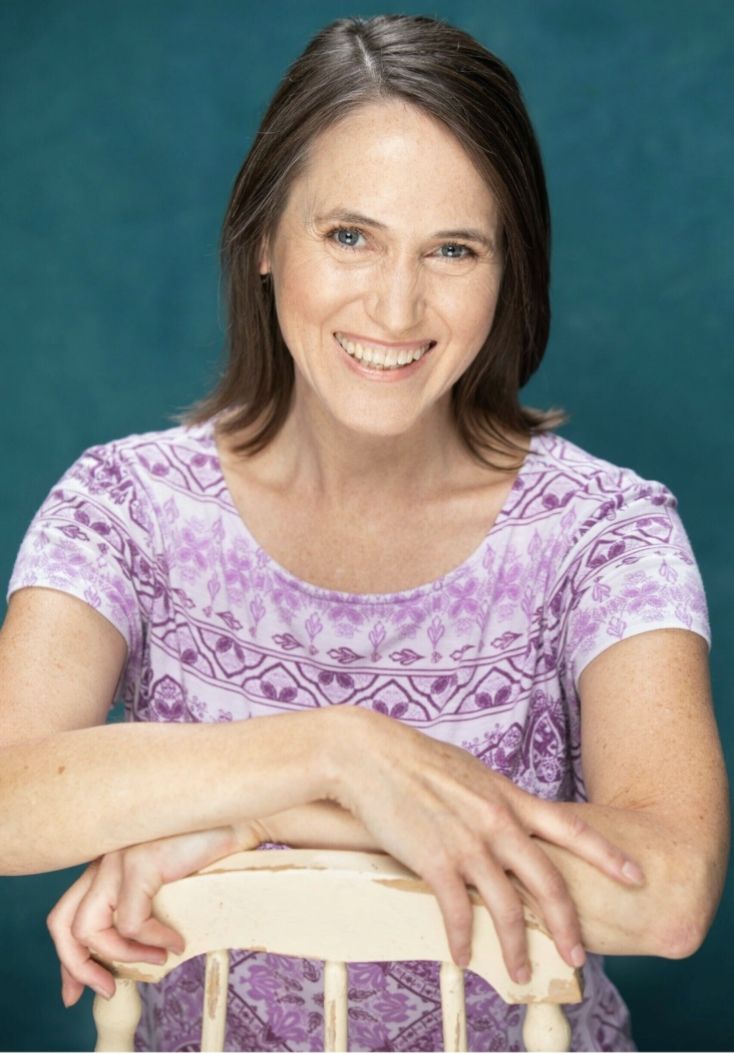
Mari Hodges, MScMed
Pain Specialist
Pain educator and Alexander Technique teacher. Mari is passionate about helping people navigate pain and get back to living life fully. Through her private practice as an Alexander teacher, pain educator, and pain coach, Mari has spent years integrating pain science with somatic practice.
Our Purpose
Turning understanding into embodied knowledge
We’ve done the research so you can focus on your practice.
Our role is to translate complex science into clear, applicable insight, helping you:
- Refine what you sense in your work
- Understand the mechanisms behind it
- Communicate its value with confidence and clarity
When you understand the science behind what you do, your work becomes more precise, communicable and recognized without losing the depth or humanity that make it unique.
Our publications
Our teaching is grounded in original research published in peer-reviewed scientific journals.
Cacciatore, T., Anderson, D.I., Cohen, R.G. Central mechanisms of muscle tone regulation: implications for pain and performance. Frontiers in Neuroscience 18 (2024).
Hodges, M., Cacciatore, T. Modern Pain Science and Alexander Technique: How Might Alexander Technique Reduce Pain? Kinesiology Review 13 (4), 548-557 (2024).
Zahler, S. H., Taylor, D.E., et al. Hindbrain modules differentially transform activity of single collicular neurons to coordinate movements. Cell 1–17 (2023).
Cacciatore, T. W., Johnson, P. M. & Cohen, R. G. Potential Mechanisms of the Alexander Technique: Toward a Comprehensive Neurophysiological Model. Kinesiology Review 9, 199–213 (2020).
Piñol, R. A., Zahler, S. H., et al. Brs3 neurons in the mouse dorsomedial hypothalamus regulate body temperature, energy expenditure, and heart rate, but not food intake. Nature Neuroscience 21 (11), 1530–1540 (2018).
Cacciatore, T. W., Mian, O. S., Peters, A. & Day, B. L. Neuromechanical interference of posture on movement: evidence from Alexander technique teachers rising from a chair. Journal of Neurophysiology 112, 719–729 (2014).
Cacciatore, T. W., Gurfinkel, V. S., Horak, F. B. & Day, B. L. Prolonged weight-shift and altered spinal coordination during sit-to-stand in practitioners of the Alexander Technique. Gait & Posture 34, 496–501 (2011).
Gurfinkel, V., Cacciatore, T. W., Cordo, P., Horak, F., Nutt, J., & Skoss, R. Postural Muscle Tone in the Body Axis of Healthy Humans. Journal of Neurophysiology 96, 2678–2687 (2006).
Stay Connected.
Join a growing network of practitioners exploring how science and somatic experience inform each other.
